




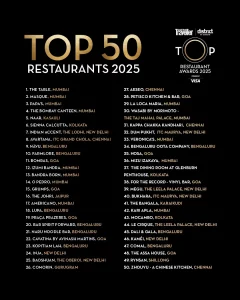
 Tucked away in the rolling hills of Shillong, Rynsan has been a quiet celebration of North East India’s food traditions. Now recognised on the prestigious list of India’s Top 50 Restaurants by The Condé Nast Traveller x District Top Restaurant Awards 2025, the restored Assam-style bungalow has become a destination for diners seeking the layered flavours of Khasi, Jaintia and tribal kitchens, brought together with a touch of contemporary finesse.
In conversation with the Founder of Rynsan, Hammarsing Kharhmar (HK) Sunday Shillong (SS) explores the Rynsan experience through his vision and concept. Excerpts:
SS: Congratulations on being awarded top 50 restaurants in the country! How does it feel?
HK: It’s a fantastic feeling. The entire Rynsan team has worked very hard consistently since the beginning. (We opened officially as a full time restaurant in 2022). Our goal has always been to elevate local cuisine, create new dishes from our own rich ingredients and recipes and most importantly to add to the cultural heritage of our beloved hometown.
SS: What are your thoughts on the award and why you won?
HK: The Condé Nast Top 50 Restaurants of India list is the most respected restaurant award list in the country. It is a highly sought after list to feature on.
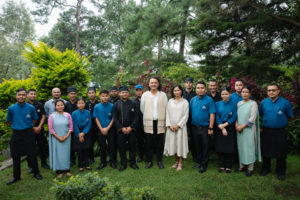 So, I was utterly surprised when we were informed that we were in this prestigious list of India’s top 50. The selection process for these awards is extremely detailed and confidential. None of the nominees have prior knowledge of their selection in the potential list. The jurors are only revealed a few days prior to the awards event, much after the ratings have been compiled by an external agency. Restaurants are judged based on Food, Service and Ambience
To be included on it is a great achievement, for all the restaurants featured but for us it’s even more special as this was the first time a restaurant from the North East made it to the list.
The award has instilled a lot of inspiration and confidence in our team and we are really happy that it has generated an immense amount of pride, not only in our state, but across the entire NE region. In fact around the country too, people are genuinely delighted to see the North East represented.
SS: Being a fairly new restaurant, what do you think stood out for the jury to take note?
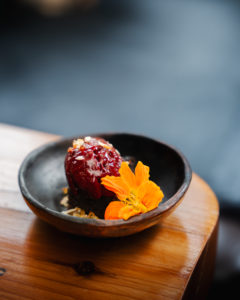 HK: I think all across the country and the world too, regional cuisines are taking centre stage. We all know that North Eastern Cuisine is incredibly delicious. Unique yet familiar and simple yet complex at the same time. Rynsan Shillong was founded on the firm belief that local cuisine is at par with the best in the world. But, we know that there are several aspects that need to be worked on such as presentation, service, the curation of menus and an understanding that not all guests will be as open initially to some of our ingredients and flavours.
The people who travel to Meghalaya and other parts are no longer only interested in enjoying our pristine landscapes. They also want to learn about our culture and food is such an important part of it. This change in outlook has undoubtedly helped bring attention to Rynsan. We strive to provide a holistic and immersive experience where guests leave deeply satisfied but also hungrier to learn more.
There is also a shift in our own perception of our food and culture. Many of us have returned after long stints away from home which has made us realise the value and beauty of what is ours. Respect for our own is the most important ingredient in the advancement of any culture. Alongside this we must also keep learning from the world around us.
SS: Tell us about the concept and theme of the restaurant and how long it took you to make your idea a reality?
 HK: Rynsan means ‘Platform’ or ‘Stage’ in the Khasi language. Everything we do is driven by this meaning. We are, and will always be, a space that lets the local culture shine be it : Food, Crafts, Music, Dance, Art, Pottery..
While we are firmly rooted in the rich traditions that have been passed down generation after generation for countless years, we also firmly believe that we must create new things from what has been entrusted upon us. Inspiration comes from within and we also seek it from all around. Food is a great unifier and also one of the best preservers of human history. Each dish, if studied closely, offers many secrets and answers to how cultures have developed or emerged.
SS: The restaurant’s interiors also showcase traditional arts and crafts. Tell us a little about the concept of the interiors.
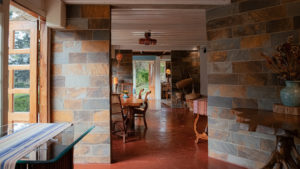
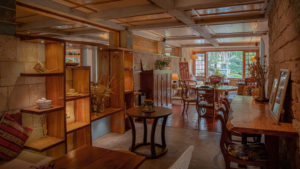
 HK: Rynsan’s architecture and interiors are driven by a need to create a place where visitors from outside feel the essence of Shillong, but it is also equally important for Shillongites to feel they’re in a new avatar of the old. This balance between what is familiar and something new, is what Rynsan is all about. There is a variety of Arts and Crafts that are abundant in our state. There are incredible traditional and modern artists here. Having their works in Rynsan is what makes all the difference. Even our local stones which we use in the majority of the walls are art pieces in my opinion. The textures and tones of stones like Maw Sohra, Maw Lyngïong, Maw Sohriew exude the magnificence of the terrain.
SS: Can you run us through your menu? What, according to you, are some of the most standout items from it?
HK: Our primary focus is to showcase Meghalaya cuisine with strong emphasis on the Khasi — Jaintia region, but our menu extends far beyond the Eight states that comprise the NER.
The North East of India is the meeting point or confluence of the Indian Sub-Continent and South-East Asia, where different cultures have enriched each other over millennia. Our cuisine is the strongest indicator or confirmation of this fact. Our menu includes dishes inspired by classics from Myanmar, Northern and North Eastern Thailand, Bhutan, the Tibetan plateau and even beyond. However, we have a rule that while we may take inspiration from elsewhere we must have a local ingredient featured prominently in the recipe. Our menu has many dishes that some may call fusion food and that’s fine. However, I prefer to call these items: modern takes on the classics. At the same time, several of our dishes are cooked exactly, as they would be in your grandma’s kitchen, but we do place extra emphasis on plating and accompaniments.
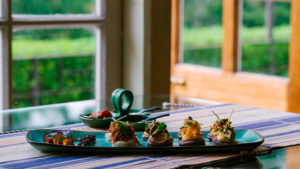
Some of the stand out items, based on guest feedback are:
● Putharo Sliders
● Wild Fern Salad
● Rynsan Crispy Pork Belly
● Khao Khaw
● Jaïur Wings
● Tumbu Bai
● Wild Perilla Pasta
● Rynsan Fish Cake
● Nei Ïong Pannacota
● Laitkynsew Honey Cake
SS: At a personal level, what would you want people to take away from their visit to Rynsan?
HK: I would want them to be inspired to see more of the region. I’d love for them to want to travel to the countryside to try the local food in traditional shops and stalls, and plan their next visit during our festivals and cultural programs. Basically, dive deeper into local culture. This would foster more cultural interaction and give them deeper civilisational insights.
SS: How would you explain the shift in the consumption of food and restaurant experience in Shillong?
 HK: I think more and more locals are eating out and the number of visitors seeking local food is also increasing. This is inevitable. We are no longer a quiet hill station. We have also become one of India’s top tourist destinations. A large number of restaurants have come up post Covid. A lot of our youth working outside returned and have started their own businesses. A healthy competitive environment is being created. You can now get so many different types of food in Shillong but what’s most inspiring is the number of young chefs who are exploring their own cuisine.
SS: How do you envision the future of the restaurant scene in Shillong?
HK: I dream of the day when Shillong will have plenty of specialised restaurants where people can savour local cuisine and modern takes on the classics. For example you walk into a small shop serving only Doh Thad Sdieh (Fried Smoked Pork), Doh Jem Sniang (Pork Innards) and fresh Putharo (Steamed Pounded Rice Cakes) and seasonal salads. The items will be freshly made with the best ingredients and served with a refreshing glass of sticky rice beer or local fruit wine. The place must retain the aesthetics of a traditional stall but have all the modern amenities in it. Next door you’d find a place serving an entirely different set of specialised items. Visitors can then hop from one place to another, savouring the best of local food and beverages. Alongside these speciality places, there can be more contemporary restaurants serving local cuisine, that are also pushing the boundaries beyond what is known. I see this happening very soon.
-End of Interview –
Kharhmar and his team have successfully placed Shillong in the culinary map of India’s top 50 by blending heritage, seasonality, and storytelling on every plate and have opened the gateway to an immersive cultural experience beginning with food.
Interviewed by Esha Chaudhuri

