



By Christina K Sangma
It was a December afternoon; Maira arrived at her mothers’ village in Assam carrying a city-sized suitcase and a pocketful of expectations. The village greeted her with tamarind trees, winding dirt paths, and the songs of roosters and radios. Maira, who had grown up with high-rises and honking cars, felt both untethered and curious.
 By the second day she was chasing laughter with three cousins Anaya, Sumi, and Riya whose feet were brown from soil and whose hair smelled of sun. They led her to a backyard where a modest tree drooped with small, sour green fruits. Maira peered closely. What are these?
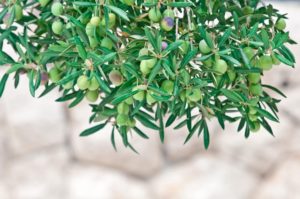
Anaya grinned. These are jolpai, our village olives or you can say Indian olives. We pickle them, bake them into chutneys, at times pressed with a little oil. Maira was baffled she had only seen olives in jars and in televisions. Try one, said Anaya.
The jolpai puckered Maira’s tongue saltier than she expected, with a bright, grassy tang. She laughed at the thrill of a taste that belonged to a place. That evening the cousins taught Maira to weave palm fronds into small baskets and to spot the softest jackfruit. Each small lesson stitched her closer to the village rhythm.
Days blurred into a warm collage: barefoot runs through sugarcane, secret swims in the river where fish darted like coins, and evenings learning to make Pitha. The village offered hands-on knowledge she hadn’t known she craved, how to coax seeds into sprouts, and how stories were folded into every meal.
On the night of the winter fair, paper lanterns bobbed along the main path. Children chased each other beneath the glow; elders sat in circles sharing harvest stories. Maira helped hang decorations around the banana trees and arranged plates of steaming millet cakes. The music was simple; a flute and a drum and everyone’s clapping felt like a single heartbeat. That night she tasted coconut Ladoos made with a careful hand and watched her cousins dance until their hair smelled of dust and joy.
 The village invited her gently. Sumi showed a field where wildflowers glowed at dawn. Riya introduced her to the elder who told stories that smelled of rain. Maira began to notice things she had never slowed to see in the city, the way sunlight made dust look like tiny planets; the gentle architecture of a thatched roof, how neighbours fixed a fence together without fanfare.
When it was time to go back, Maira felt an unexpected tug. The city awaited deadlines and neon windows, but in her suitcase, she tucked a small jar of jolpai, a woven basket, and the quiet insistence that life could be simple and full. On the train home she traced the village outline through the window and realised that she carried more than souvenirs which was a different way of seeing: patient, attentive, and grateful.
Years later, when city noise crowded her, Maira would open the jar of jolpai, touch the basket, and remember the rivers that graced her feet. Those memories were not just nostalgia; they were like a map back to a self who could find wonder in small things and joy in hands working together. She promised herself to return next winter, not simply as a visitor but as someone who truly belonged.
