Rio carnival boosts Lula’s image, legal woes remain
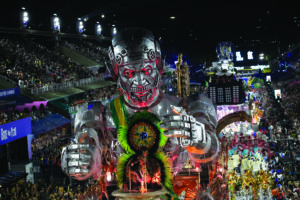
RIO DE JANEIRO, Feb 16: Brazilian President Luiz Inacio Lula da Silva received a high-profile tribute at Rio de Janeiro’s Sambadrome on Sunday evening, as top samba school Academicos de Niteroi staged a parade celebrating his life and political journey ahead of his bid for a fourth inconsecutive presidential term.
The floats, costumes, and songs highlighted Lula’s rise from poverty in Brazil’s northeast to his current status as a major Latin American leader, drawing thousands of revelers.
Lula, Vice President Geraldo Alckmin, their spouses, and Rio Mayor Eduardo Paes attended the event, despite warnings that their presence could trigger legal challenges under electoral law.
Critics argue that the tribute amounts to early campaigning, six months before the October election. Some right-leaning politicians attempted to block the parade, claiming it gave Lula an unfair advantage and noting that publicly funded samba schools should not be used to promote a politician.
The top electoral court rejected preemptive censorship but said it could review any potential violations during the performance.
Organizers emphasized that the parade was cultural rather than political, instructing more than 3,000 participants to avoid pro-Lula gestures or telling spectators how to vote.
Lula has received similar Carnival tributes in 2003 and 2012, but this is the first to occur in an election year under such close scrutiny.
Analysts, including former campaign manager Joao Santana and political consultant Thomas Traumann, noted that the parade is unlikely to translate into votes and could even alienate moderate or evangelical voters.
Legal risks include potential fines and the loss of free-air campaign time, which could be decisive in a tight race.
Lula’s main challenger, Senator Flavio Bolsonaro, son of former President Jair Bolsonaro, remains close in recent polls. While the parade enhanced Lula’s cultural visibility and public appeal, it also exposed him and the samba school to scrutiny from electoral authorities and political opponents. The event highlights the delicate balance in Brazil between cultural celebration, political promotion, and compliance with election regulations, particularly in a highly competitive presidential contest. (AP)