




By Daniella Dawn Lyngwa
Across the world, single mothers form a significant yet often misunderstood part of society. Their circumstances differ widely, but one thread unites them: the well-being and future of their children. Some are widowed, some separated or divorced, some deserted, and others have consciously chosen to raise children on their own. Yet public perception often reduces them to simplistic narratives, casting them either as figures of struggle or symbols of strength. The reality is far more complex. In Shillong and across Meghalaya, single mothers navigate cultural expectations, financial responsibilities, and emotional pressures, all while striving to provide stable and nurturing environments for their children.
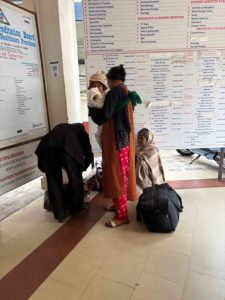
On International Women’s Day, these stories are especially relevant. The day is not only about celebrating achievements but also about recognising the invisible labour and quiet resilience of women who carry immense responsibility. In Meghalaya’s matrilineal society, lineage and inheritance pass through women, and motherhood holds deep social and cultural significance. However, this cultural context does not erase hardship. Single mothers still face financial strain, emotional exhaustion, and the continuous burden of decision-making. Listening to these women reminds us that true empowerment must encompass both practical support and social understanding.
According to Iamon Syiem, Chairperson of the Women’s Commission in Shillong, one of the biggest misconceptions is the idea that there is a single story of single motherhood. Each woman’s journey is shaped by circumstance, but what unites them is their commitment to their children. “When a mother is supported, a child is protected. When a child is protected, the entire community grows stronger. When single mothers are supported, children flourish. And when children flourish, society as a whole moves forward.”
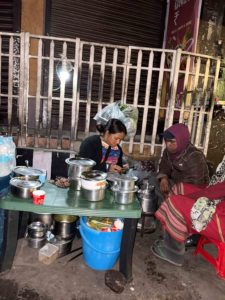
Several mothers agreed to share their experiences anonymously, fearing judgement that could affect their children. For many, joining this conversation itself required courage.
One mother, raising her young daughter alone, describes her child as the centre of her world. She sees her daughter as her greatest motivation and responsibility. Some days she feels strong and capable, other days exhausted and scared, yet she continues because she does not have the option not to. Her mornings are a whirlwind of activity, from making breakfast and packing school lunches to checking homework while setting reminders for doctor’s appointments and bills. One morning her daughter refused cereal, insisting on something else. Seeing her happy while eating made the mother forget the exhaustion for a moment. These little victories keep her going.
Her day continues with office work, client meetings, and deadlines, all underlined by the constant awareness of what awaits at home. Evenings are devoted to cooking together, helping with assignments, and listening to stories about school friendships and playground adventures. Once her daughter ran to show a drawing of them holding hands. It reminded her that every sacrifice she made was reflected in that small act of love.
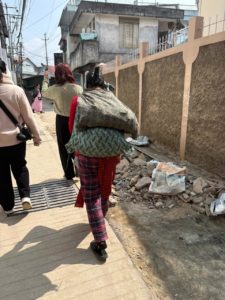
Financial responsibility is ever-present. Every school fee, healthcare expense, and grocery bill depends on a single income. Unexpected costs bring anxiety not only because of money but because she wants her daughter to feel secure. She recalls a time when the washing machine broke down just before her daughter’s school play. She had to juggle borrowing money, rushing to fix it, and keeping her daughter calm. Despite the stress, they managed together, and her daughter did not notice the chaos.
Another mother shares her experience of adoption. She took in a severely malnourished girl whose parents could not care for her. The first few months were exhausting, staying awake at night to ensure the child was breathing properly, feeding small portions, and watching for illness. Over time, her daughter’s health improved, and she began excelling at school. Today, she is a confident child winning medals for sports and academics. Every small step her daughter takes feels like a victory for both of them. Even in moments of exhaustion, her laughter reminds her that every sacrifice was worth it.
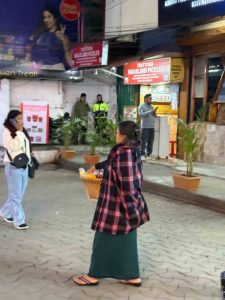
A third mother, raising a teenage son, speaks about balancing authority and support. Her son dreams of playing cricket professionally. Some days he gets frustrated when homework comes before practice, but she makes time for open conversations to ensure he feels heard. She wants him to grow into a kind and responsible young man, making space for both academics and character development. She recalls a rainy evening when his school match was cancelled, staying up late to help him revise for a test he almost forgot. These quiet ways of supporting her child are unseen by most, yet vital.
Emotionally, the mothers describe a mixture of loneliness and empowerment. Nights of doubt and moments of feeling judged are common. Society sometimes assumes weakness without seeing the effort involved. They are strong because they have to be, not because it is easy. Facing challenges independently has revealed resilience, helping them trust their judgment and manage crises with courage.
Support systems vary. Some rely on extended family for childcare or comfort. Others find strength in friendships or faith. Prayer provides hope and calm during uncertainty. Even small gestures from neighbours or colleagues—checking in, offering to babysit briefly, or dropping off groceries—make a real difference. Emotional stability for the mother directly affects the child’s sense of security.
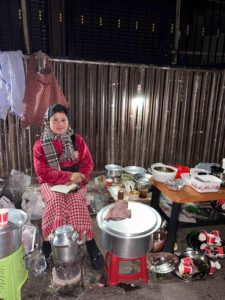
Balancing work and parenting remains one of the greatest challenges. Long workdays are followed by homework supervision, cooking, and household responsibilities. One mother recalls rushing from the office to pick up her child only to realise she had forgotten the homework folder. They ended up completing the project together on the way home. Small achievements such as paying bills on time, attending school events, or seeing a child smile bring immense pride.
When asked about government assistance, the mothers emphasise practical needs. Affordable childcare, healthcare coverage, educational subsidies, and flexible workplace policies would ease daily pressure. Financial support for deserving single mothers is not charity but an investment. Supporting single mothers is supporting children.
Iamon Syiem echoes this “Policy must be child-centred. Systems that help mothers access childcare, healthcare, and financial stability directly shape better outcomes for children.” She calls for better data collection, integrated welfare services, and community awareness. “Stigma must be replaced with solidarity. Strength should not mean isolation.”
The most misunderstood aspect of single motherhood is the assumption that struggle equates to failure. Their challenges reflect perseverance, not weakness. They are not asking for sympathy but for fairness and understanding. There is a constant mental load in anticipating problems and planning ahead. Yet alongside exhaustion is deep pride, visible in the joy of children thriving, achieving, and growing in confidence.
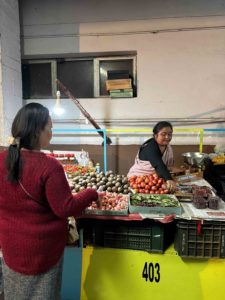
At the heart of every story is a child whose future depends on consistent love, guidance, and opportunity. These mothers wake each day determined to provide stability, security, and moral grounding. They want their children to pursue education confidently, explore ambitions freely, and believe that adversity can be overcome with perseverance and care.
International Women’s Day reminds us that empowerment must move beyond slogans. Supporting single mothers through inclusive communities and thoughtful policies ensures that children flourish. When single mothers are supported through understanding, practical assistance, and integrated welfare systems, children gain the foundation to thrive, and a society that invests in its mothers is investing in a stronger and more hopeful future for all.

