




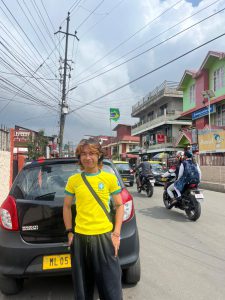
 In the hill city of Shillong, the FIFA World Cup is not just a global sporting event. It becomes part of everyday life, shaping routines, conversations, and social spaces across the city. When the tournament begins, Shillong shifts into a shared football rhythm where streets, homes, cafés, shops, and local grounds all reflect the excitement of the game.
Football is not something people only watch in Shillong. It is something they experience together, as a community, from early morning discussions to late-night match screenings.
A City Dressed in Football Colours
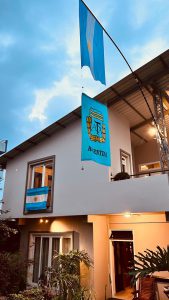
Across neighbourhoods such as Lawsohtun, Laitumkhrah, Polo, and New Kench’s Trace, football is visible everywhere. Flags of Argentina, Brazil, Portugal, England, Germany, and France hang from balconies, rooftops, and shopfronts.
Posters of global stars like Lionel Messi, Cristiano Ronaldo, Kylian Mbappé, and Lamine Yamal cover walls of small shops and cafés. The entire city feels like a living football gallery, where every lane reflects a different supporter identity and football story.
Daily Life Built Around Football
During the World Cup, daily routines in Shillong often change. Work, studies, and business schedules are adjusted around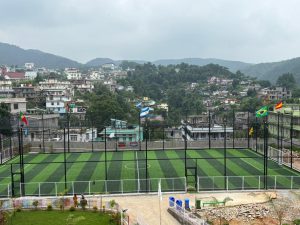
 match timings. Cafés and tea stalls turn into informal viewing spaces where people gather around televisions to watch live matches.
Isaac Nongkynrih (29), a resident of New Kench’s trace, explains this shift simply: “People finish work quickly just to watch matches with friends or family.” Football becomes a shared priority, not just entertainment.
Aibor Marbaniang (30), who is a freelance video editor, adds, “Football is always part of our conversations, especially during the World Cup.” Whether in offices, colleges, or street corners, discussions revolve around team performances, predictions, and match results.
Wandiam Manners (23) describes football in a deeper way: “It is a way of life here in Shillong.” His words reflect how deeply the sport is embedded in everyday identity.
Samien Diengdoh (30), a law officer, highlights the inclusiveness of the experience: “Even people who don’t usually follow football stay up late during the World Cup.” The tournament draws in even casual viewers, creating a shared cultural moment across the city.
Together, these voices show how football in Shillong is not individual consumption but collective experience.
A City United by Shared Emotion
 Football rivalries in Shillong are strong but friendly. Supporters of Argentina, Brazil, France, England, and Portugal often engage in passionate debates. Players like Cristiano Ronaldo and Lionel Messi are frequent points of discussion, admiration, and comparison.
Despite differences in support, the atmosphere remains united. Rivalry becomes conversation, not conflict. The World Cup final between Argentina and France in 2022 remains one of the most discussed matches in the city, remembered for its drama and emotion.
Jersey Culture and Football Identity
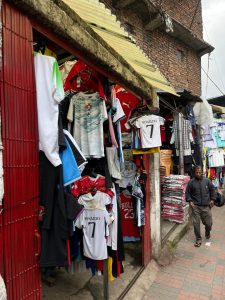
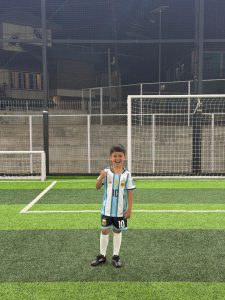 One of the strongest visible signs of World Cup excitement is the demand for football jerseys. Local footballer Allen Camper Lyngdoh Nongbri notes that jerseys for Portugal, Argentina, Brazil, England, Germany, and France are in extremely high demand.
Wearing a jersey is not just about supporting a team. It reflects identity and emotional connection. During the World Cup, Shillong becomes a moving display of national colours, as fans wear their chosen teams proudly in streets, cafés, and playgrounds.
CM Fan Park and Community Viewing
The Chief Minister’s Football Fan Park in Polo has added a new dimension to World Cup viewing in Shillong. It provides a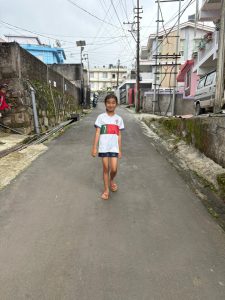 public space where people gather to watch matches together on a large screen with free entry.
The initiative reflects how football in Shillong is not only private or home-based viewing but also a shared public celebration. It brings together families, students, workers, and fans from different parts of the city into one space.
The fan park also includes cultural performances, making it a combination of sport and entertainment that strengthens community participation.
Futsal Grounds and Active Participation
Futsal grounds such as MW Futsal in Lawsohtun and other turfs in Polo and Pynthor become highly active during the World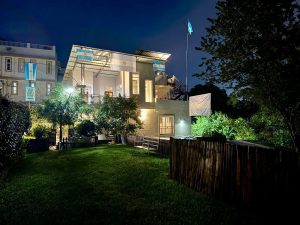 Cup season.
Marc Lamin (25), owner of MW Futsal, says, “There is a noticeable increase in bookings and enthusiasm during the World Cup.” He explains that watching international football inspires more people, especially young players, to come and play.
Football in Shillong is not limited to watching matches. It translates directly into physical participation. People step onto the pitch to try skills they see on television, turning inspiration into action.
Football as Identity and Life Experience
 For many in Shillong, football begins in childhood and continues into adulthood as a lifelong passion.
Footballer Sheen S. Sohktung (29) from Nongkseh SS&CC describes it clearly: “We don’t just play football here, we breathe it.” His words reflect how deeply the sport is connected to daily life and identity.
Professional Freestyle footballer Samboklang K Lyngdoh (28) shares how football shaped his life experience: “Football taught me how to handle both winning and losing in life.” For him, the sport is not just competition but personal growth and discipline.
Former India international footballer Ailad Kynta emphasises development at the grassroots level: “Local tournaments are where young players truly grow and develop.” He highlights how structured local competitions form the foundation of football careers in the region.
Together, these voices show football as something that shapes character, opportunity, and direction.
Youth Dreams and Inspiration
Football also strongly influences the younger generation in Shillong.
A young student of Shillong Public School, Jaden Lyngwa, represents this growing passion. He says, “I want to become like Cristiano Ronaldo one day.” Training with RangdajiedFC and playing daily with friends, he reflects how deeply football inspires ambition at an early age.
For many children like him, football is not just a sport. It is a dream, a goal, and a possible future.
Grassroots Development and Long-Term Growth
 Banroibha Shisha Kharsyntiew, working in sports development, explains that football in Shillong is active throughout the year. According to her, the World Cup increases excitement, but the foundation of football culture comes from continuous local systems.
She says, “Football is something we enjoy together as a community throughout the year, not just during the World Cup.” She highlights academies, school competitions, and grassroots tournaments as essential parts of development.
The World Cup, in her view, acts as motivation that encourages more participation but does not define the sport’s existence in the city.
Football Culture and Everyday Life
Football in Shillong is not restricted to stadiums or organised matches. It exists in everyday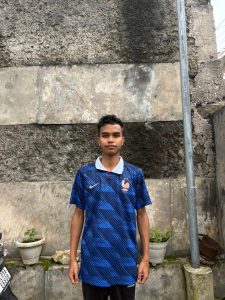 conversation, social gatherings, and casual play in open spaces.
People discuss tactics, players, and match results in cafés, offices, schools, and homes. The sport becomes a shared language that connects different age groups and backgrounds.
Even outside World Cup seasons, football remains a constant presence. During the tournament, however, this presence becomes louder, more visible, and more emotionally charged.
A City That Lives Football
 In Shillong, football is not just watched. It lives in the veins of the people. It shapes identity, friendship, ambition, and daily routine. From children dreaming of becoming professionals like Cristiano Ronaldo or Lionel Messi, to adults gathering for late-night matches, the sport connects every generation.
During the World Cup, this connection becomes even stronger. Streets fill with jerseys, cafés stay open late, futsal grounds become active, and conversations never stop.
What makes Shillong special is not only its passion for football, but the way the game brings people together. In this city, the World Cup is not just an event on screen. It becomes a shared life experience that everyone participates in, together.

