By Shreya Chaudhuri
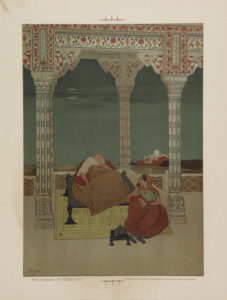
The Taj Mahal, one of the most iconic monuments in the Indian sub-continent has for centuries been admired for its regal and resplendent aura. A lot of us would be ready to dismiss this overpowering ivory-white marble structure built by Mughal Emperor Shah Jahan for his beloved wife Mumtaz Mahal as a cliché that has been done to death. However, the latest art exhibition titled Mute Eloquence of the Taj Mahal at DAG, New Delhi from October 25-December 6 weaves a pastiche of paintings, photographs, postcards and archival materials, to be imagined and reimagined by the gaze of the viewer.
Curated by noted historian Rana Safvi, the exhibition assembles over 200 works spanning from the late 18th to mid-20th century, providing a layered visual narrative of India’s most popular architectural masterpiece. These cherry-picked works offer a rich documentation on the Taj Mahal and its complex, by providing a commentary on the ever-evolving artistic interpretations of the tomb’s architecture, interiors, gardens and subsidiary monuments. Safvi while sharing her thoughts on the show notes, “It traces the Taj Mahal’s evolving meanings, from a sacred sepulchral space to its later transformation into a global emblem of love.”
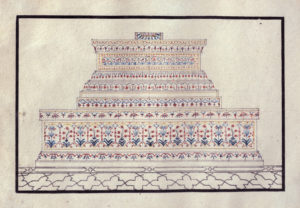
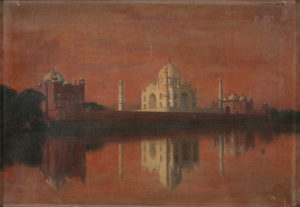
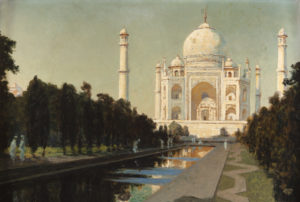
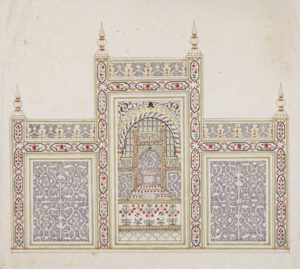
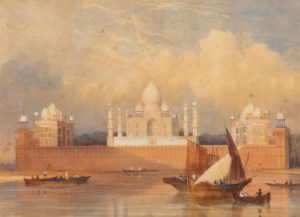
A plethora of Company School paintings by Agra-based artists, provide a repository of records on the monument’s celestial artistry with intricate details invoking a world of Mughal architectural sophistication and elegance. Adding to these are works by visiting foreign artists such as Thomas Daniell, Charles William Bartlett, and Japanese master Hiroshi Yoshida’s woodblock prints, which collectively outline the penchant for romanticising the Taj Mahal across artistic traditions.
Adding to a more layered historical meaning of the Taj Mahal, modern Indian artists of the early and mid-20th century such as Abanindranath Tagore, S. Bagchi and Jyoti Bhatt render a nuanced socio-cultural interpretation, traversing along the structure’s majestic charm in the context of an emerging modern Indian identity.
The exhibition calls upon spectators to look beyond the carved marble, towering minarets and its bulbous dome and alternatively lock their eyes on the inherent beliefs and aspirations of Emperor Shah Jahan and his wife Mumtaz Mahal depicted through the tomb’s meticulous design and architectural details, motifs, iconography. The overall symbolism and connotation of the monument paves the way to “speak” to the onlooker.
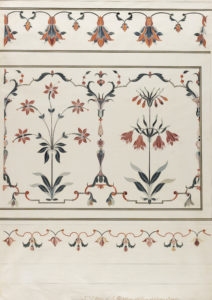
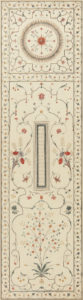
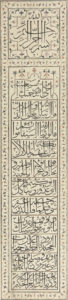
The visual imagery of the mighty monument highlighted through the broad array of artworks carries the power to surprise its audience. The pristine edifice speaks to the viewer through the careful selection and placement of inscribed calligraphy in black marble from the Quran. The language of flowers by way of the exquisite pietra dura art technique involving the inlay of precisely cut and fitted coloured semi-precious stones into marble to create images and patterns.
The coloured ornamentation on the cenotaphs and the surrounding screen of the interiors of the tomb bear testimony to one of the world’s most unparalleled architectural masterpieces to immortalise the love of Shah Jahan and Mumtaz Mahal. With its astute symmetry and proportions, the architectural excellence of the Taj Mahal is nothing without the larger ensemble including the garden, which has caught the imagination of artists and photographers galore.
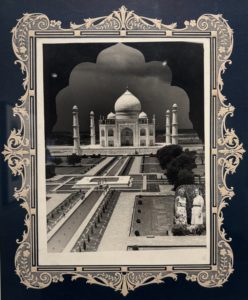
The exhibition also showcases a captivating collection of photographs and postcards from the 1850s to the mid-20th century by a host of acclaimed names in the field of world photography such as Samuel Bourne, Felice Beato and John Edward Saché. Many Indian photographers like Lala Deen Dayal and RR Bharadwaj have impressed upon their photographic footprints in charting the evolution of techniques in the field while also chronicling the Taj Mahal’s role in shaping visual narratives of India.
In a first, the exhibition houses selections of the archival records of Albert Edward Griessen, Superintendent of the Taj and Government Gardens (1902–1905), which is on public view.
Expanding the timeline of the exhibit to the late 20th century and early 21st century could have realised the inclusion of lionized photographs of Princess Diana (1992), Oprah Winfrey (2012), Bill Clinton and Chelsea Clinton (2000), Pervez Musharraf and Sebha Musharraf (2001) posing in front of the Taj Mahal would have lent the show a more contemporary character.
In retrospect, the display invites its audience to perceive the long-standing edifice of almost 400 years as a dynamic artifact and underlines an earnest attempt to find new meaning in what the Taj Mahal has tacitly implied.