



For decades, while the world marvelled at Meghalaya’s living root bridges, one man quietly worked behind the scenes to ensure that this extraordinary indigenous heritage survived for future generations.
Hally War of Siej village in Sohra, a farmer, environmental steward and guardian of traditional knowledge, has now been recognised with the Padma Shri Award 2026 for his contribution to social work and environmental conservation, particularly his efforts in preserving the unique Khasi practice of weaving living root bridges, locally known as Jingkiengjri.
The honour places national attention on a lifetime of work dedicated not only to protecting nature but also to safeguarding a centuries-old tradition that reflects the deep relationship between the Khasi people and their environment.
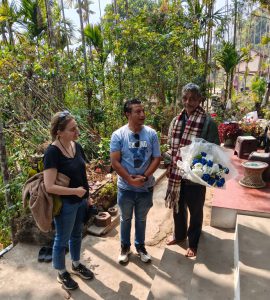 An unsung champion of indigenous knowledge, the Padma Shri Awardee has spent years promoting the traditional bioengineering wisdom passed down by Khasi ancestors.
Through his efforts, local communities have continued the practice of guiding and weaving the aerial roots of rubber trees into strong and sustainable bridges that have become one of Meghalaya’s most celebrated cultural and ecological landmarks.
Speaking with Sunday Shillong, War described the recognition as a tribute to all those who work selflessly for society.
According to him, the Padma Shri symbolises the Government of India’s appreciation for individuals who dedicate themselves wholeheartedly to the welfare of the community.
“Most importantly the award serves as an inspiration to people across the country to contribute positively to society regardless of their educational qualifications, profession or social status,” he said.
Stating that the award is not merely a personal achievement, War said that he sees it as a collective honour shared by his family, his village, the Khasi and Jaintia regions and the people of Meghalaya as a whole.
A Life Dedicated to Nature
Although known today for his environmental work, the Padma Shri awardee remains a farmer at heart. He cultivates betel nut, betel leaf, black pepper and a variety of fruit crops in his village.
His understanding of nature, however, extends far beyond agriculture.
Over the years, he has emerged as one of the strongest advocates for community-based conservation in the Khasi Hills. He believes that nature can only be protected when local people recognise their responsibility towards the environment and actively participate in conservation efforts.
Reflecting on his journey, War said one of his greatest accomplishments has been witnessing ordinary villagers come together to protect forests, water sources and other natural resources.
For more than four decades, he served as the Rangbah Shnong of Siej village. During his tenure, he consistently encouraged villagers to prevent indiscriminate tree felling, stop forest fires and preserve important ecological zones.
Under his leadership, efforts were also made to establish reserved forests and strengthen the protection of sacred groves, which continue to serve as important biodiversity hotspots in the region.
Today, he takes pride in seeing many of these initiatives bearing fruit and contributing to environmental sustainability.
Challenges in Building Environmental Awareness
Despite the progress achieved over the years, War acknowledged that changing people’s attitudes towards the environment has not always been easy.
According to him, one of the biggest challenges has been educating communities about the importance of protecting rivers, streams, springs and drinking water sources.
“Environmental conservation often requires long-term commitment and patience, particularly when attempting to change habits that have existed for generations. Yet he remains optimistic,” he said
The Padma Shri awardee noted that an increasing number of young people are showing interest in environmental protection and community service.
He further observed that the participation of youth in conservation activities gives him confidence that Meghalaya’s natural heritage will remain protected in the years ahead.
Receiving the Padma Shri has further strengthened his resolve to continue working for the environment.
Rather than viewing the award as the culmination of his efforts, he sees it as a source of motivation to contribute even more towards conservation and community welfare.
Preserving Meghalaya’s Living Heritage
Among the many aspects of environmental conservation close to his heart, the preservation of living root bridges occupies a special place.
He said that these remarkable structures represent far more than tourist attractions. They stand as living examples of the ingenuity, patience and ecological wisdom of Khasi ancestors.
Built over decades by carefully guiding the roots of rubber trees across streams and rivers, the bridges demonstrate how traditional knowledge can create sustainable infrastructure without harming the environment.
According to him, the greatest threat facing these bridges today is not natural disasters but human neglect.
Carelessness, lack of awareness and failure to appreciate their cultural and ecological significance pose serious risks to the long-term survival of the structures.
He stressed that urgent efforts are needed to involve children and young people in learning the traditional skills associated with root bridge construction and maintenance.
The knowledge required to create these living structures has been handed down from one generation to the next. If the younger generation does not take up this responsibility, valuable indigenous knowledge could gradually disappear.
Tourism Must Support Conservation
The growing popularity of Meghalaya as a tourism destination has brought increasing numbers of visitors to the living root bridges scattered across the Khasi and Jaintia Hills.
While welcoming this development, War emphasised that tourism must go hand in hand with conservation.
He urged visitors to respect local customs, follow community guidelines and engage local guides when visiting the root bridges.
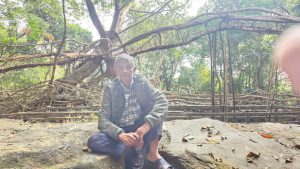 According to him, local guides play an important role in helping tourists understand the history, cultural significance and conservation challenges associated with these unique structures.
The Padma Shri awardee said that he believes that responsible tourism can create livelihood opportunities for local communities while simultaneously supporting efforts to preserve natural and cultural heritage.
Environmental Protection Beyond One Day
As the world marks Environment Day every year on June 5, War believes that caring for nature should not be limited to annual celebrations.
Protecting forests, rivers, water sources and the environment, he said, must become a daily responsibility.
War stressed the important role educational institutions can play in shaping environmentally conscious citizens.
According to him, schools and colleges should actively organise awareness programmes and encourage students to understand the importance of conservation.
 The Padma Shri awardee said that Meghalaya’s rich forests, lush landscapes, abundant water resources and scenic tourist destinations make it one of the country’s most environmentally significant regions. Preserving these natural assets is crucial for the state’s future development and well-being.
He called upon parents, teachers, community leaders and young people to work together to safeguard the environment and protect natural resources throughout the Khasi and Jaintia Hills.
Social Media as a Tool for Change
War also highlighted the growing influence of social media in promoting environmental awareness.
He believes digital platforms can serve as powerful tools for sharing positive stories, inspiring young people and spreading awareness about the importance of preserving living root bridges and protecting nature.
At the same time, he stressed that technology alone cannot guarantee success.
The long-term survival of Meghalaya’s environmental treasures, including its living root bridges, ultimately depends on the commitment and sense of ownership shown by local communities.
In his concluding message, the Padma Shri awardee emphasised that the recognition he received belongs to everyone who has contributed to environmental conservation over the years.
No conservation effort can succeed without public participation, he said.
For War, the environment is both a celebration of the past and a call to action for the future and a reminder that the responsibility of preserving nature and indigenous knowledge now rests in the hands of the next generation.
(Original interview was conducted in Khasi and translated to English by the author)
