




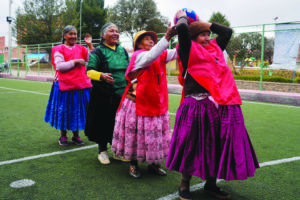
Bolivian indigenous women celebrate heritage in pollera skirts
LA PAZ, Dec 23: In Bolivia, the traditional pollera skirt worn by Indigenous women, once imposed by Spanish colonizers, has become a symbol of pride, identity, and empowerment.
Women across professions and sports—miners, climbers, skaters, soccer players, and wrestlers—continue to wear the voluminous, layered skirt while performing physically demanding work, asserting that it does not hinder their strength or capability.
Professional mountain climber Ana Lia González Maguiña, for example, ascends Bolivia’s 6,000-meter peaks wearing her pollera, emphasizing that it reflects her roots and resilience rather than being purely ornamental.
Miner Macaria Alejandro similarly wears the skirt underground, seeing it as a testament to her labor and a legacy for her children.
The pollera’s significance extends beyond personal empowerment; it symbolizes the broader rise of Indigenous representation in Bolivia over the past two decades.
Under former president Evo Morales, the country recognized Indigenous identity in its constitution, renamed itself the Plurinational State of Bolivia, and elevated symbols such as the wiphala and pollera into public and governmental life, including in ministerial offices.
However, recent political changes under conservative President Rodrigo Paz have left many cholitas feeling uncertain about the future.
Indigenous symbols have been removed from the army logo, and the wiphala is no longer displayed at the presidential palace. With no Indigenous members in government, some women fear discrimination and a rollback of gains achieved under Morales’ administration.
Despite these concerns, women like González Maguiña remain determined. She stresses that Indigenous women already possess strength, resilience, and the ability to advocate for their rights, expressing hope that they will continue to demand recognition and equality.
For Bolivia’s cholitas, the pollera is not just clothing—it is a living testament to history, culture, and enduring empowerment. (AP)

