




By Joziah Ryan K Lyngdoh
The festival: A milestone for Northeast cinema
The Shillong International Film Festival (SIFF) 2026 organised by the Directorate of Information and Public Relations, held from 25th to 27th March marked an important moment for cinema in the North East. As the first edition, it brought together a wide range of films from across India. More than just a film event, it created a space where local filmmakers, students, and aspiring creators could come together, exchange ideas, and learn from one another.
 The festival quickly became more than just a place to watch films. It turned into a platform where young minds could interact with experienced filmmakers from different parts of the country. For many students, this was a rare opportunity to understand filmmaking beyond textbooks and classrooms. Sunday Shillong explored the energy throughout the event and was filled with curiosity, excitement, and a strong sense of inspiration.
Screenings highlighting regional stories
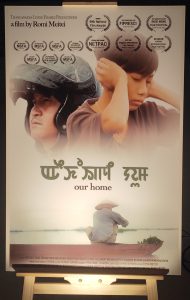
Among the films screened, Our Home, a Manipuri film directed by Romi Meitei, stood out as one of the most memorable out of the lot. The film has already earned recognition at both national and international levels. It tells a heartfelt story about a family dealing with everyday struggles. Through simple storytelling, it shows how hardships affect each member of the family, while also highlighting the strength that comes from staying united.
The audience connected deeply with the film. It reminded viewers that even in difficult times, facing challenges together as a family can make a difference. Although there was no direct interaction with the director, the message of the film was clear and powerful. It became one of the highlights of the festival for many.
 Another important screening was Ka Chithi (A Letter) a Jaintia language film, written and directed by Simi Khongtiang, the state’s first woman director. The film focuses on the idea of letters and how they were once an important way of expressing emotions. In contrast to today’s instant messaging, the film takes viewers back to a time when communication was slower but more meaningful.
Through its story, the film explores themes of love, longing, grief, and emotional distance. It shows how a simple letter can carry deep feelings and create a lasting connection between people. The storytelling gently reminds the audience of the importance of expressing emotions in a sincere and thoughtful way.
 Filmmaker insights & inspiration
During an interaction session, Khongtiang shared the inspiration behind her film. She spoke about wanting to preserve the memory of letter writing. She also mentioned that the story was influenced by her personal life, especially her relationship with her children. She explained that she sometimes felt a sense of emotional distance and found it difficult to express her feelings directly. Writing became her way of sharing her emotions, and this experience shaped the film.
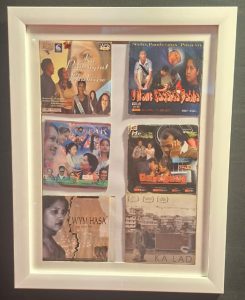
She also spoke about the importance of regional cinema. According to her, the North East has many unique stories that are still unknown to people in other parts of the country. These stories reflect local traditions, beliefs, and ways of life. Festivals like these give filmmakers a chance to share these stories with a wider audience and help regional cinema grow.
When talking about networking and collaboration, she said that she had been waiting for a platform like this for a long time. Earlier, there were very few opportunities for filmmakers to meet, interact, and exchange ideas. At this festival, she was able to watch other films, learn from them, and engage in meaningful discussions. She described this exchange as an important part of growth for any filmmaker.
 She also shared her experience with the audience in Shillong, saying that she felt completely at home. While she has attended festivals in other places like Arunachal Pradesh and Bengaluru, she felt that the connection in Shillong was more personal and comforting.
Audience engagement & student reactions
The audience response to the festival was very positive. Riz Borbhuiya, a student, shared that the festival plays an important role in promoting North East culture. He felt that the films helped people understand local traditions and stories better. He referred to Our Home as an example, noting how it shows the contrast between rural and urban life.
He also spoke about the strong audience engagement. According to him, the festival successfully connected with both local viewers and audiences from outside the region. However, what made it special was the strong connection with the local community.
 Borbhuiya added that such festivals are very helpful for emerging filmmakers. They provide a platform to share creative work and build networks. Unlike commercial cinema, which often limits creativity, film festivals allow filmmakers to express their ideas freely. This helps new talent grow and gain recognition.
Hiinyo Yangfo, another student, shared his excitement about the festival being held in Shillong for the first time. He felt proud to see films that represent local culture and are made by regional filmmakers. For him, the festival was not just about cinema but also about celebrating identity and storytelling.
As a filmmaking student, he found the experience very useful. He mentioned that he is currently working on his final project film and learned a lot by attending the festival. Watching different films and observing techniques, especially in cinematography, gave him new ideas and inspiration.
Sarfaraj, also a student, spoke about his experience watching Our Home. He pointed out how the film shows the difficulties faced by a family, especially in terms of transportation and access to education. He described the story of a boy who wants to go to school but is unable to do so because his father is ill. Through such moments, the film reflects real-life struggles.
 He also appreciated how the film presents the culture of the North East in an honest and realistic way. For him, it was not just a story but something that felt real and relatable.
Learning, networking, & masterclasses
Speaking about learning opportunities, Sarfaraj mentioned attending a masterclass session with a director. During this session, students were encouraged to stay in touch and seek guidance. He found this interaction very valuable, as it gave him confidence to connect with experienced filmmakers and learn from them.
Looking ahead: A promising beginning for the festival
Overall, the festival proved to be much more than just a screening event. It became a space for learning, sharing, and building connections. It allowed young filmmakers to explore new ideas, understand different perspectives, and grow creatively.
The first edition of the Shillong International Film Festival has set a strong foundation for the future. It has shown how cinema can bring people together and create meaningful conversations. With such a promising beginning, the festival is likely to play an important role in shaping the future of filmmaking in the North East.

