


 Autoimmune diseases are rapidly emerging as one of the world’s fastest-growing public health concerns, with experts warning that changing lifestyles, environmental exposures, chronic stress and metabolic disturbances are contributing to a steady rise in these complex disorders across all age groups. Against this backdrop, leading specialists from Ayurveda and modern medicine are calling for deeper scientific collaboration to improve understanding, prevention and long-term management of autoimmune diseases through evidence-based, patient-centred approaches.
Medical experts note that autoimmune disorders develop when the body’s immune system, instead of protecting against harmful pathogens, mistakenly attacks healthy cells and tissues. The resulting chronic inflammation can affect multiple organs and systems, often requiring lifelong treatment and significantly reducing quality of life. As the global burden of these conditions continues to grow, researchers believe that no single medical discipline holds all the answers, making interdisciplinary dialogue increasingly important.
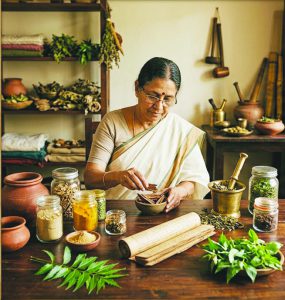
While modern medicine has made remarkable progress in identifying the molecular and cellular mechanisms responsible for autoimmune diseases, experts point out that most available therapies are designed primarily to suppress abnormal immune activity and control symptoms. Although these treatments have transformed patient care and improved outcomes for many individuals, they often require prolonged medication and careful monitoring. Ayurveda, on the other hand, approaches the problem from a different perspective by seeking to restore the body’s natural balance, improve resilience and strengthen its intrinsic disease-resisting capacity through personalised interventions involving diet, lifestyle, metabolism and rejuvenation therapies.
These themes will take centre stage at Kshamatvam 2026, the 6th International Conference on Translational Ayurveda in Autoimmune Disorders, scheduled to be held at the Sri Dharmasthala Manjunatheshwara College of Ayurveda, Hospital and Research Centre (SDMCAH & RC), Udupi, from September 30 to October 1. A pre-conference workshop focusing on practical and research-oriented aspects of autoimmune disorders will be organised on September 29.
 The conference aims to bring together experts from Ayurveda, immunology, biomedical sciences and integrative medicine to examine evidence-based strategies for autoimmune diseases and foster meaningful collaboration between traditional knowledge systems and contemporary medical research. Organisers say the event is intended not only to facilitate scientific discussions but also to encourage new partnerships that could lead to innovative approaches for patient care.
“Autoimmune diseases occur when the body’s own defence system loses its ability to distinguish between self and non-self. Instead of protecting the body, it begins attacking healthy tissues, making these conditions difficult to treat,” said Dr Prasanna N Rao, Director, SDM Ayurveda Institutions, SDM Education Society, Ujire, Karnataka.
He explained that Ayurveda interprets immunity through classical concepts such as Vyadhikshamatva, Bala and Ojas, which collectively emphasise preserving and strengthening the body’s inherent resilience rather than focusing solely on disease suppression. According to him, these concepts provide a broader framework for understanding health and immunity that complements ongoing advances in biomedical science. “The idea is not simply to suppress immunity but to understand why this imbalance develops and help restore equilibrium through personalised approaches involving diet, lifestyle, metabolism and rejuvenation therapies,” Rao said.
Professor Prasanna N Mogasale, Department of Roga Nidana, SDM College of Ayurveda, Udupi, and organising secretary of the conference, said autoimmune diseases, once regarded as relatively uncommon, are now being diagnosed with increasing frequency among children, adults and older people alike. The trend, he said, reflects broader changes in modern living and highlights the need for more comprehensive research into the underlying causes of immune dysfunction.
He identified irregular sleep patterns, persistent psychological stress, sedentary lifestyles, processed foods, environmental pollution and disruption of natural biological rhythms among the factors believed to be contributing to the growing burden of autoimmune diseases worldwide. While research continues to investigate the precise interactions between genetics, environment and immunity, these lifestyle-related factors are receiving increasing attention from scientists and clinicians.
“Many patients require lifelong medication that controls symptoms but does not necessarily correct the underlying immune imbalance. This is where meaningful dialogue between Ayurveda and modern immunology becomes important,” Mogasale added, stressing that collaboration between the two systems should be guided by scientific evidence and rigorous clinical research.
Associate Professor Arhanth Kumar A, another organising secretary of the conference, said the event has been designed as a scientific platform where classical Ayurvedic principles can be examined alongside contemporary biomedical research using accepted standards of evidence generation. “The conference will feature keynote lectures, scientific sessions, paper and poster presentations, panel discussions and hands-on workshops covering research models, Panchakarma procedures, Marma Chikitsa and drug surveys related to autoimmune disorders,” he said.
He added that researchers and clinicians from different disciplines would have opportunities to exchange ideas, evaluate emerging evidence and identify areas where collaborative research could help improve diagnosis, treatment and long-term patient outcomes.
“The objective is to encourage evidence generation and interdisciplinary collaboration so that traditional knowledge and modern science together can contribute to better patient care,” he added.
Dr Mamatha KV, Principal of SDM College of Ayurveda, Udupi, said the conference would also serve as an important academic platform for researchers, clinicians, postgraduate scholars and students to present original scientific work, discuss emerging findings and exchange ideas on translational research related to autoimmune diseases. She noted that encouraging young researchers to engage with interdisciplinary science would be essential for building stronger evidence in the years ahead.
Dr Nagaraj S Academic Vice Principal of SDM College of Ayurveda, Udupi, observed that Ayurveda’s long-standing principle of preserving the health of healthy individuals while restoring the health of those affected by disease remains particularly relevant at a time when autoimmune disorders are becoming increasingly common across the world. (Agencies)



