



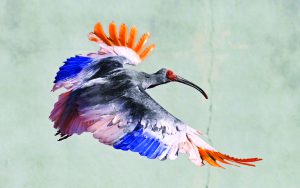
Venice wetlands shelter rising flamingo population
VENICE, June 1: Venice’s lagoon has become an unexpected refuge for flamingos, whose numbers are rising as wetland restoration projects improve the region’s ecosystem. The pale pink birds, known as “fenicotteri” in Italian, first began appearing in the lagoon in the early 2000s. Their growing presence is now regarded by environmentalists as a sign of the lagoon’s ecological recovery and suitability as a feeding habitat.
The population of wintering flamingos reached a record high of nearly 24,000 last year, about 6,000 more than the previous year. Ornithologist Alessandro Sartori said these figures place the Venetian Lagoon among the most important wintering sites for flamingos. More than 90 per cent of the birds counted were found in the northern lagoon, where natural salt marshes and traditional fishing valleys provide abundant food and shelter.
Despite their increasing numbers, flamingos have not yet established a permanent breeding colony in Venice. Sartori regularly surveys the lagoon for signs of nesting, but attempts recorded in 2008 and 2013 were unsuccessful due to severe weather, including hailstorms that killed dozens of birds. However, experts remain optimistic that the birds could eventually breed in the area.
Their expansion has been aided by efforts to restore wetlands, particularly through the European Union’s WaterLANDS project. The five-year initiative is investing 23.6 million euros in wetland restoration across Europe, including Venice. Salt marshes once covered nearly half of the lagoon’s 550 square kilometres, but today they account for only about 7 per cent because of erosion and decades of dredging linked to industrial development.
Conservationists say restoring marshes helps increase biodiversity, capture carbon dioxide and reduce the impact of rising sea levels. Researchers are also introducing plant species that strengthen marshes and make them more resilient.
The flamingos appear to be benefiting from these efforts. In the southern lagoon, where restoration work is underway, their numbers have risen from only a handful to several hundred during certain periods. Experts hope the rebuilt marshes will eventually provide suitable nesting grounds, helping establish a self-sustaining flamingo population and reinforcing the ecological importance of Venice’s fragile lagoon environment. (AP)
